Common Coastal Landscaping Mistakes: A Guide to Shoreline Resilience
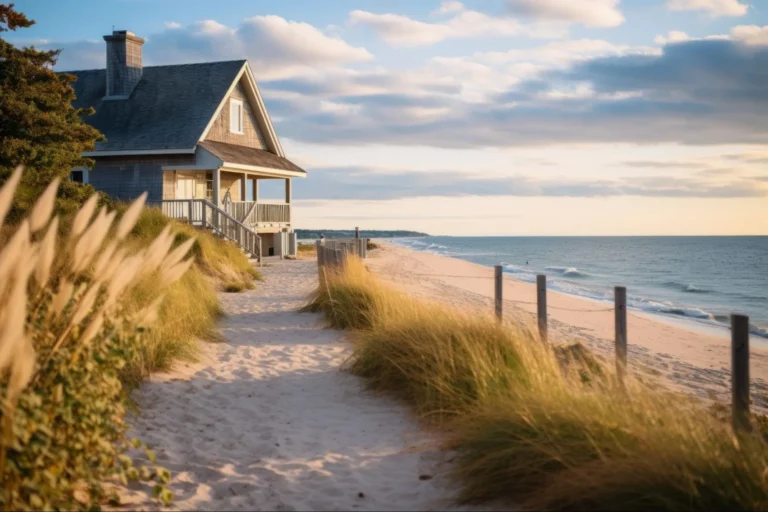
The curation of a coastal landscape is a sophisticated exercise in ecological negotiation. Unlike inland gardening, where the primary constraints are typically limited to soil pH and hardiness zones, the maritime environment introduces a set of aggressive physical variables: relentless salt-air atomization, high-velocity wind loading, abrasive sand movement, and extreme UV radiation. To design the exterior of a beach house is to acknowledge that the landscape is not merely a decorative accompaniment to the architecture, but a vital defensive perimeter designed to stabilize the soil and filter the elements before they reach the building envelope.
A professional editorial approach to the shoreline aesthetic moves away from the “imported lawn” philosophy of the 20th century toward a concept of “Coastal Succession.” This involves understanding how plants naturally colonize the transition from open surf to stable secondary dunes. In this context, the most successful landscapes are those that utilize the natural resilience of native halophytes—plants specifically adapted to saline conditions—to create a self-sustaining ecosystem that requires minimal hydraulic or chemical intervention.
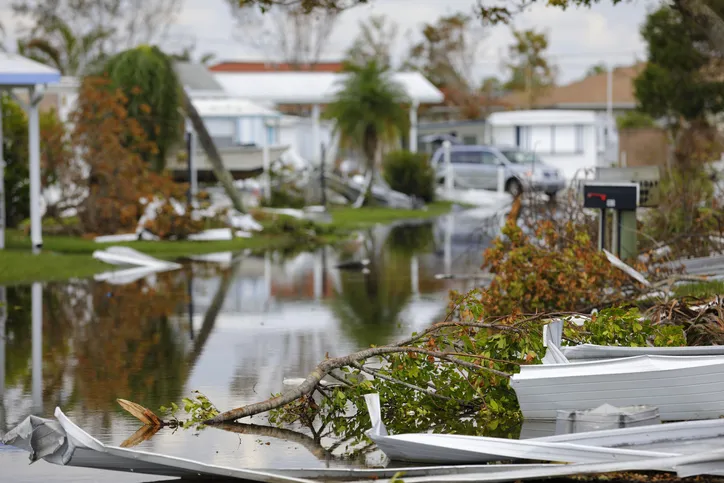
The modern beach house landscape must function as a high-performance infrastructure. It is tasked with managing storm surge energy through permeable surfaces and dune stabilization, while simultaneously providing the privacy and “softening” required by high-end residential living. The shift toward “Living Shorelines” reflects a deeper understanding that hard engineering, such as concrete seawalls, often exacerbates erosion elsewhere, whereas a carefully planned vegetative landscape can absorb and dissipate the kinetic energy of the sea.
Understanding “common coastal landscaping mistakes”
The discourse surrounding common coastal landscaping mistakes is frequently diluted into surface-level advice regarding plant selection or aesthetic themes. In a professional architectural and environmental context, however, failures at the water’s edge are usually systemic. A primary misunderstanding is the belief that a coastal landscape can be maintained through the same irrigation and fertilization regimes used in suburban environments. In reality, adding excessive nitrogen or fresh water to sandy coastal soil can weaken the root structures of native plants and leach harmful chemicals directly into the sensitive marine ecosystem.
Oversimplification in this domain often leads to “Site Fragility.” For instance, a designer might prioritize “View Corridors” by removing native maritime shrubs or thinning out dune grasses. While this satisfies the immediate aesthetic desire for an unobstructed ocean view, it removes the only structural anchor holding the sand in place. The resulting mistake is not merely visual; it is a structural liability that increases the home’s vulnerability to “Scour”—the removal of soil by moving water—during the first significant storm event.
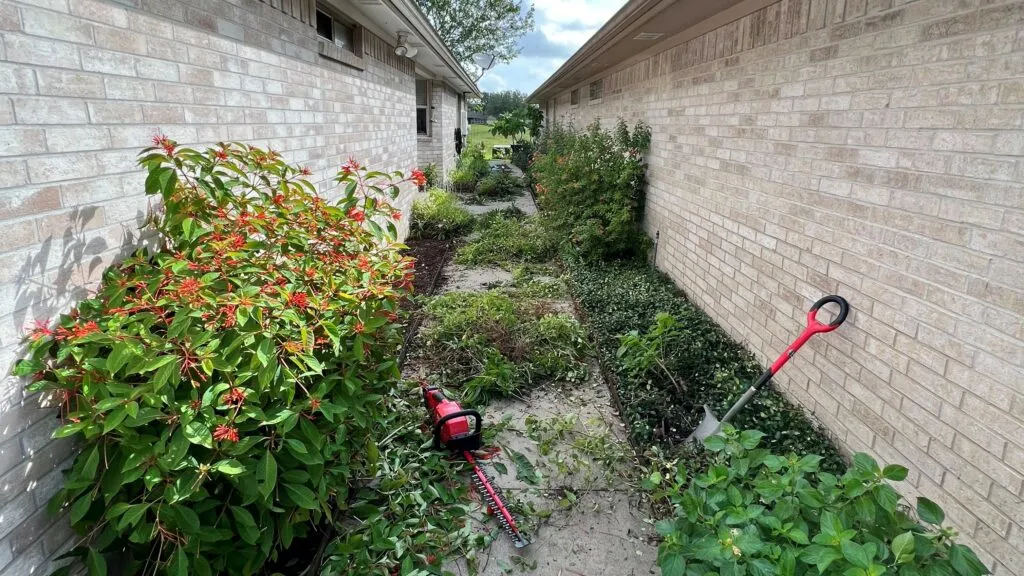
Furthermore, a multi-perspective explanation of these failures involves the “Aerosolized Chloride” factor. Many planners fail to account for how the landscape interacts with the house’s mechanical systems. A common mistake is placing dense, non-filtering foliage in a way that traps salt-laden air against the building’s envelope or intake vents. True mastery of coastal landscaping requires an analytical shift from viewing plants as ornaments to viewing them as “Biological Filters” that must be positioned to maximize air movement while minimizing salt deposition.
Historical Evolution: From Fortification to Ecological Integration
The trajectory of maritime landscaping has moved from aggressive suppression of the environment to modern ecological integration.
The Era of Hard Fortification (1890–1960)
Early coastal estates relied heavily on “Hard Engineering.” The landscape was often secondary to massive stone revetments or concrete seawalls designed to “fight” the ocean. Vegetation was typically restricted to exotic ornamentals imported from Europe, which required massive freshwater inputs and constant protection to survive.
The Suburban Mimicry Period (1970–2000)
As coastal living became more accessible, developers applied inland landscaping standards to the shore. This era was defined by the “Imported Lawn”—large swaths of Saint Augustine or Bermuda grass that demanded high fertilization. This period marked the height of common coastal landscaping mistakes, as these lawns provided zero stabilization against surges and contributed to the eutrophication of coastal lagoons.
The Living Shoreline Movement (2010–Present)
Modern planning favors “Nature-Based Solutions.” We now understand that a “Soft” shoreline—one featuring dunes, marsh grasses, and maritime forests—is more resilient than a rigid wall. Contemporary design utilizes “Ecological Succession,” allowing the landscape to adapt as sea levels and salt gradients shift over decades.
Conceptual Frameworks and Mental Models
To evaluate a coastal exterior, one must apply specific engineering and biological mental models.
1. The Salt-Spray Gradient
This framework assumes that every foot closer to the ocean increases the chemical stress on a plant. Species must be selected based on their “Salt Tolerance Index.” Plants in the primary zone must possess thick, waxy cuticles or fine, needle-like foliage to minimize the surface area exposed to salt.
2. The Hydro-Zoning Logic
Sandy soils have a high “Leach Rate.” This model organizes the landscape into zones based on water needs, keeping high-moisture ornamentals in sheltered courtyards while keeping the exposed perimeter strictly xeric (drought-tolerant).
3. The Permeable Hardscape Framework
In coastal planning, “Runoff” is the enemy of stability. This framework mandates that every patio or walkway be constructed with porous materials to allow rainwater to penetrate the soil directly, preventing the erosive “sheeting” of water during surges.
Key Categories of Failure: Material, Floral, and Structural
| Category | Typical Mistake | Resulting Trade-off | Corrective Logic |
| Floral | Planting Non-Native Turf | High Water Use / Zero Stability | Transition to Saltmeadow Cordgrass |
| Material | Using Galvanized Steel | Rapid Corrosion (3-5 years) | Mandate 316 Stainless or Composite |
| Structural | Fixed Seawalls | Reflected Wave Energy / Beach Starvation | Living Shorelines / Riprap |
| Hydrological | Surface-Level Irrigation | Salt Crusting on Leaves | Sub-surface Drip Irrigation |
| Aesthetic | Excessive Hardscaping | Increased Radiant Heat / Runoff | Gravel beds and native groundcover |
Detailed Real-World Scenarios: Decision Logic and Failure Modes
Scenario A: The “View Corridor” Trap
A homeowner thins out a stand of Wax Myrtles and Sea Grapes to improve their sunset view.
-
The Error: These plants were acting as a “Wind-Break,” slowing down salt-laden air before it reached the home’s HVAC system.
-
Failure Mode: Within 18 months, the AC condenser units fail due to salt-air corrosion, and the home’s windows show “Etching” from wind-blown sand.
-
Second-Order Effect: Without the root network, the dune height decreases by two feet over one winter season.
Scenario B: The “Non-Permeable” Driveway
Installing a large, poured-concrete driveway on a low-lying coastal lot.
-
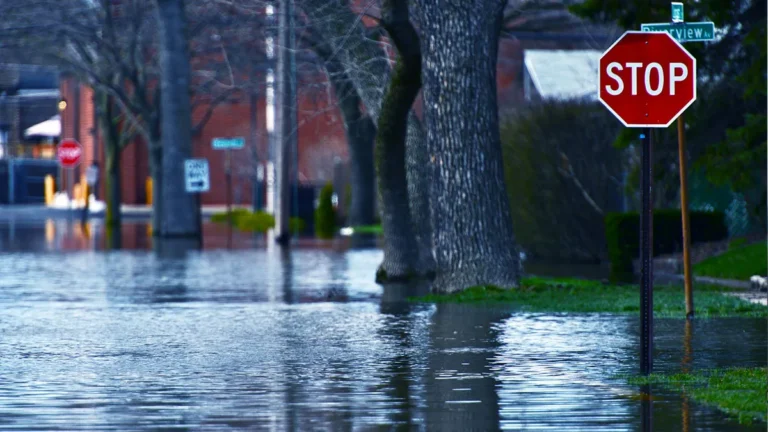
The Error: During a storm surge, the water cannot penetrate the ground. It “sheets” off the concrete at high velocity.
-
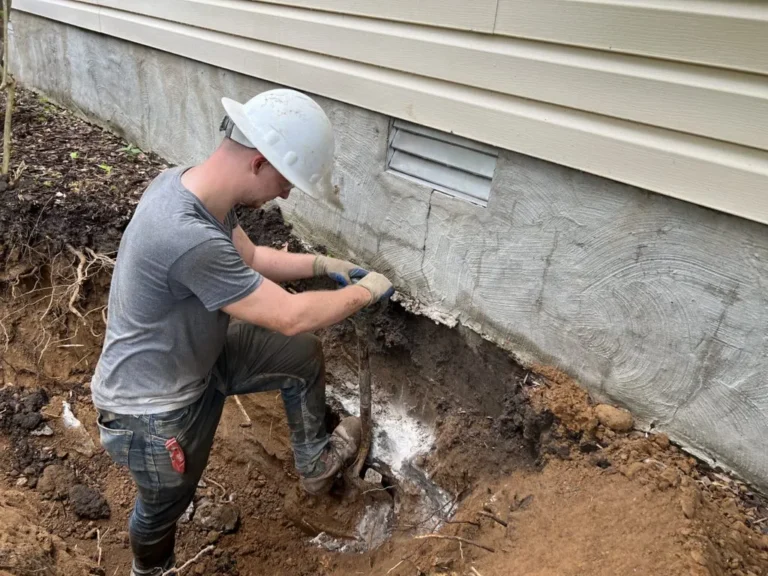
Failure Mode: The sheeting water creates a “Gully” next to the house foundation, exposing the pilings and compromising structural integrity.
-
The Fix: Replacing the concrete with permeable pavers or crushed oyster shells.
Planning, Cost, and Resource Dynamics
The economics of coastal landscaping are driven by the “Salt Premium.” Materials must be chosen for their chemical inertness rather than initial price point.
Range-Based Resource Dynamics (Initial Install)
| Component | Inland Cost | Coastal Premium | Logic |
| Soil Amendment | $1,500 | $5,000 | Sandy soil requires organic “clutch” |
| Hardscape Timber | Pressure Treated | Ipe / Black Locust | Standard wood rots in salt air |
| Irrigation | Standard | Drip + Smart Sensors | Salt-neutralizing rinse cycles |
| Fencing | Aluminum | 316 Stainless/Wood | Salt “pits” standard aluminum |
Technical Strategies and Support Systems
-
Drip Irrigation Systems: Delivering water directly to the root zone prevents salt-attracting water droplets from sitting on foliage.
-
Bio-Logs and Coir Fiber: Temporary stabilization tools that allow native plants to establish their root systems on slopes.
-
Mycorrhizal Inoculants: Beneficial fungi that help plants absorb nutrients in nutrient-poor beach sand.
-
316-Grade Stainless Fasteners: The only metal capable of surviving the “Spray Zone” without losing structural integrity.
-
Wind-Filtering Screens: Permeable fences that “break” the wind’s energy rather than trying to stop it entirely, which prevents “Wind-Tunnel” effects.
-
Salt-Tolerant Sod: Utilizing “Seashore Paspalum” for areas where a traditional lawn aesthetic is non-negotiable.
Risk Landscape: The Taxonomy of Environmental Stress
The common coastal landscaping mistakes identified in professional audits usually fall into three risk categories:
-
Ecological Decoupling: Planting species that do not support local pollinators or birds, leading to a “Sterile Landscape.”
-
Chemical Dependency: Relying on fertilizers that eventually destroy the soil’s natural microbial life, making it even harder for plants to survive.
-
The “Scour” Risk: Any hard object placed in the sand (fire pits, walls, sheds) creates a point of turbulence during a flood, leading to localized erosion.
Governance, Maintenance, and Long-Term Adaptation
A coastal landscape is a “Live Asset” that requires an “Operational Log” rather than a simple pruning schedule.
The Coastal Stewardship Checklist
-
Monthly: Freshwater rinse of all high-value ornamentals to remove salt build-up.
-
Quarterly: Audit the “Dune Profile.” Are there gaps or “Blowouts” in the vegetation?
-
Annual: Replenish gravel or shell beds. Sand “eats” organic matter quickly.
-
Post-Storm: Immediate check for “Scour” near foundations and “Salt Burn” on leaves.
Measurement: Tracking Soil Health and Floral Performance
-
Leading Indicators: Soil organic matter percentage; root depth measurements in dunes; the presence of native “pioneer species.”
-
Lagging Indicators: The structure’s ability to remain “Dry and Energized” during a surge; the survival rate of plants after a salt-mist event.
-
Quantitative Signals: Tracking the distance between the mean high water line and the vegetation line over a 5-year period.
Common Misconceptions and Strategic Corrections
-
“Palms are the Best Beach Trees”: Correction: While salt-tolerant, many palms provide zero wind-breaking capacity. Native “Hammerhead” oaks are often better for protection.
-
“Fertilizer is Good for the Beach”: Correction: Fertilizer makes plants grow “soft,” making them more vulnerable to wind damage.
-
“Seawalls are Permanent”: Correction: Seawalls have a 30-50 year lifespan and often cause the beach in front of them to disappear.
-
“I Need a Sprinkler System”: Correction: Once established, true coastal natives thrive on rainfall and humidity alone.
-
“Pebbles are Better than Sand”: Correction: Small pebbles can become projectiles in high winds. Crushed shells are safer.
Conclusion: The Philosophy of Coastal Foresight
The success of a maritime landscape lies in the transition from viewing the coast as a static landscape to seeing it as a dynamic, aggressive force. Intellectual honesty in design requires acknowledging that the “Perfect View” is often the enemy of “Structural Security.” The landscapes that endure—those that become multi-generational assets—are the ones that prioritize the “Unseen” (root depth, soil biology, drainage) over the “Seen.” Ultimately, coastal landscaping is an exercise in humility: designing a space that respects the power of the ocean enough to survive it.